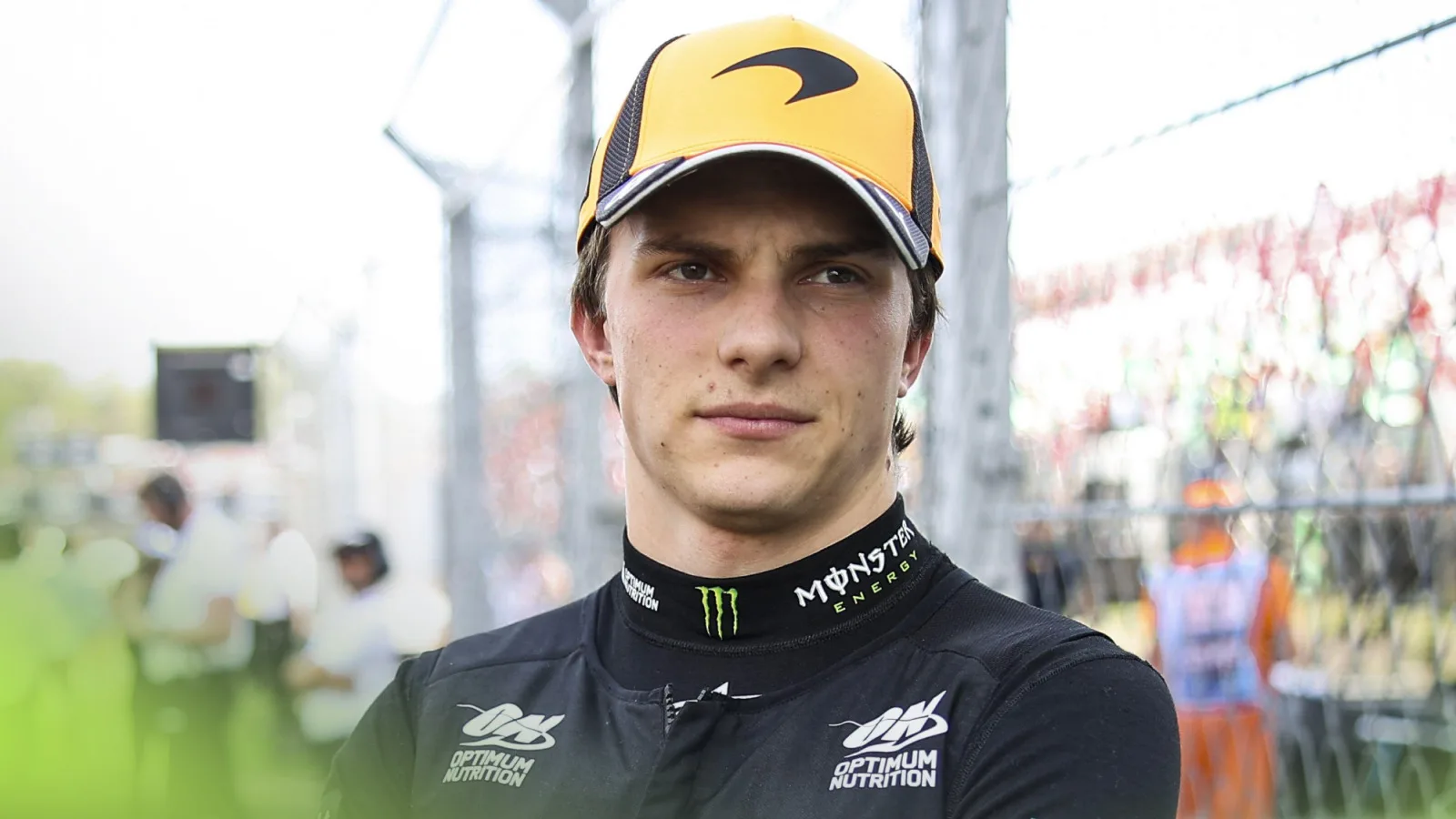
Oscar Piastri detailed the complexities of Formula 1's 2026 power units in wet conditions, noting that electrical deployment is reduced to 250 kilowatts when rain arrives at circuits. The McLaren driver explained that deployment rules change based on track conditions, with some circuits allowing full power on all straights in the rain while others restrict the electrical element significantly.
The Australian highlighted the unpredictability of power delivery as a particular challenge, describing how throttle percentage rules can trigger unexpected amounts of power that drivers don't necessarily want. He acknowledged not knowing exactly how much deployment would be available at Sepang if rain arrives, though he expects Malaysia's characteristics won't be too problematic.
Piastri finished sixth in second practice, 0.371 seconds behind pace-setter Charles Leclerc, with teammate Lando Norris third. He described feeling more comfortable with the car setup than earlier in the season, saying he has found ways to make things work better and knows more about what he needs from the McLaren.
The 2026 regulations include active aerodynamics that are restricted in wet conditions, adding another variable for drivers to manage. Piastri said Sepang would not be a bad place to experience wet weather racing in the new generation cars for the first time, given the circuit's flowing layout and overtaking opportunities.